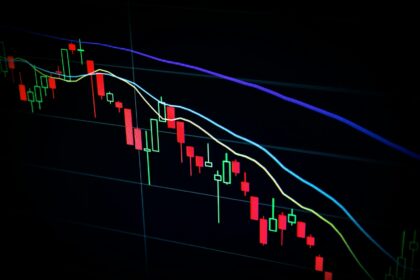
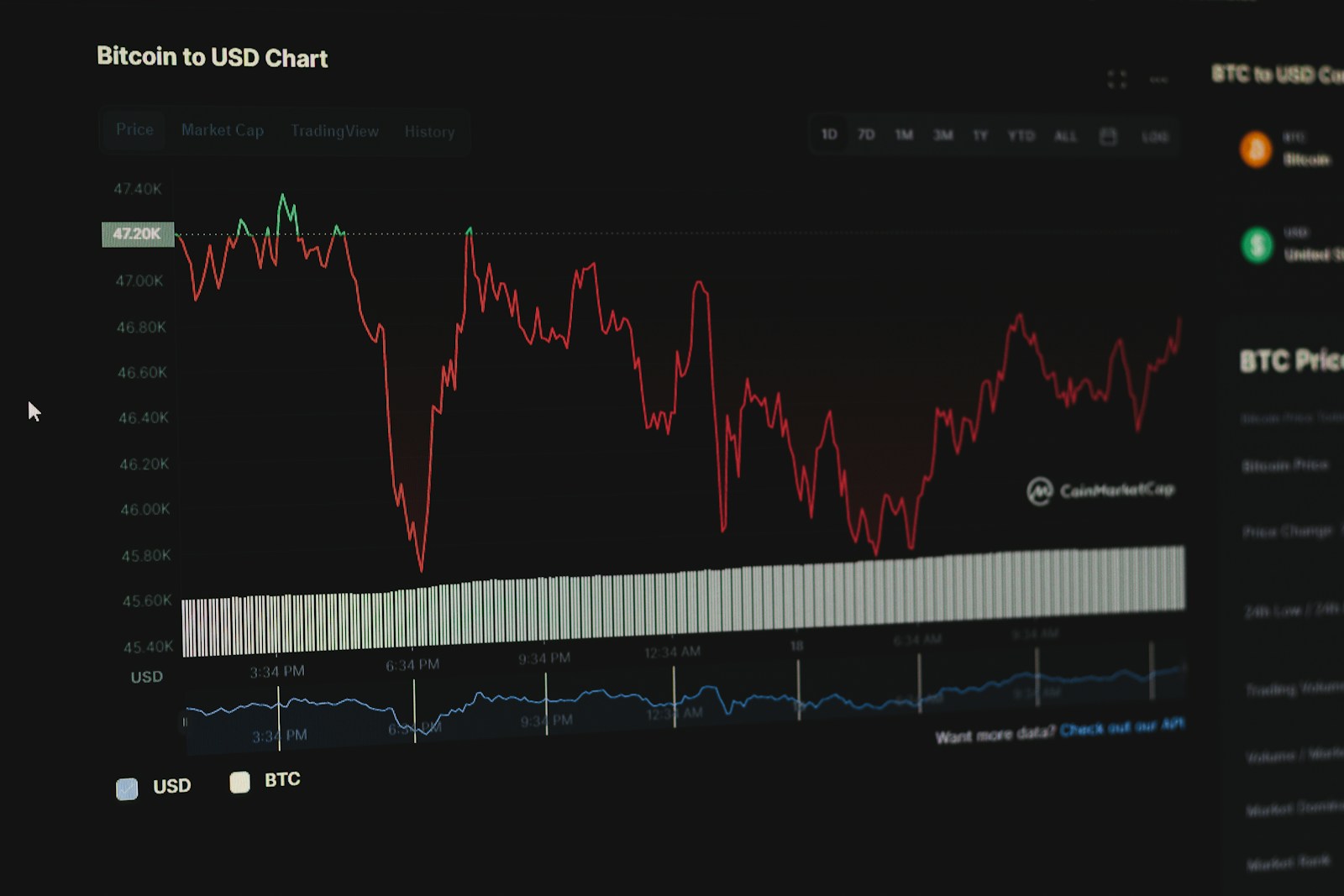

If your goal is to make sound investment decisions, recognizing the difference between upward and downward phases in digital asset trading is key. Periods characterized by rising prices typically encourage buying and optimism, while downturns often trigger caution and selling pressure. Identifying these shifts early helps manage risk and optimize entry or exit points.
Price movements follow recognizable patterns driven by supply, demand, and investor sentiment. During growth phases, confidence pushes valuations higher across various coins and tokens. Conversely, contraction stages bring about price corrections that can last weeks or months. Tracking volume changes alongside price trends offers a straightforward way to confirm which phase dominates.
For beginners, focusing on clear indicators such as moving averages or relative strength index can simplify spotting these trends without getting overwhelmed by complex data. Adopting a disciplined approach tuned to prevailing conditions enables better timing of purchases or sales instead of reacting emotionally. Consistent observation combined with patience increases chances of long-term success in this volatile environment.
Understanding Crypto Market Cycles: Bull vs Bear
Recognizing the phases of financial fluctuations is key to making informed decisions in cryptocurrency investments. A bullish phase typically features rising prices driven by optimism and increased buying, while a bearish phase involves falling prices accompanied by pessimism and selling pressure. These alternating trends form repeating sequences that investors should identify to optimize entry and exit points.
Price movements follow distinct patterns influenced by factors such as market sentiment, regulatory developments, and technological advancements. For example, the 2017 surge in Bitcoin’s value demonstrated an extended upward trend fueled by retail enthusiasm and media attention. Conversely, the subsequent decline through 2018 highlighted a prolonged downward adjustment marked by reduced trading volumes and negative outlooks.
Core Features of Bullish and Bearish Phases
A bullish period is characterized by sustained growth in asset valuations, often supported by increasing transaction volumes and positive news cycles. During these times, investor confidence rises steadily as adoption expands and network activity intensifies. Practical indicators include higher highs in price charts, expanding on-chain metrics like wallet addresses, and growing institutional participation.
On the other side, bearish intervals exhibit declining values alongside shrinking engagement metrics. Price charts reveal lower lows reflecting persistent selling pressure. For instance, during the crypto downturn of 2018-2019, many projects saw diminished developer activity and stagnant user growth, signaling reduced enthusiasm within the ecosystem.
- Bullish signals: rising trading volume, positive sentiment surveys, increased network hash rate
- Bearish signals: falling liquidity, negative social media sentiment, declining active addresses
A practical approach involves monitoring these quantitative measures alongside technical analysis tools such as moving averages or Relative Strength Index (RSI) to detect momentum shifts. This combined method offers a clearer view of prevailing trends rather than relying solely on price action.
Applying Cycle Awareness in Investment Strategies
Investors can enhance their strategies by aligning actions with current market directions. During ascending phases, accumulating assets gradually or participating in staking protocols may yield benefits aligned with expanding valuations. Conversely, defensive tactics like reducing exposure or diversifying into stablecoins can mitigate losses amid descending trends.
A notable case study is Ethereum’s trajectory between 2020-2021 when its bull run was supported by DeFi growth and NFT hype; those who recognized early momentum captured significant gains before corrections occurred later in 2022. Understanding when optimism peaks versus when caution prevails allows for better timing decisions.
The repetition of these phases reflects natural economic rhythms but can vary widely depending on external shocks or innovations within blockchain technology. Remaining attentive to both quantitative data and qualitative signals provides a balanced framework for navigating this volatility.
An accessible way for newcomers involves tracking simple metrics like price trends combined with community sentiment analysis via forums or social platforms. Gradually integrating more complex indicators fosters deeper insight without overwhelming beginners–a stepwise learning path that builds confidence over time.
Identifying Bull Market Signals
Recognizing the onset of an upward trend is fundamental for making informed investment decisions in the cryptocurrency arena. One of the primary indicators is a sustained increase in trading volume coupled with consistent price appreciation across leading assets. For example, during previous upward phases, Bitcoin’s daily transaction volumes surged by over 30%, reflecting growing market participation and confidence.
Another reliable sign involves moving average crossovers, particularly when short-term averages (like the 50-day MA) surpass long-term averages (such as the 200-day MA). This technical pattern, often called a “golden cross,” historically precedes significant bullish momentum. Data from multiple crypto assets confirms that such events correlate with multi-month rallies.
Key Metrics and Behavioral Patterns
Sentiment analysis derived from social media platforms and on-chain metrics also provides valuable insights. Elevated positive sentiment, combined with increasing wallet addresses holding coins long-term, suggests accumulation phases rather than speculative spikes. For instance, Ethereum’s network data showed a steady rise in unique active addresses prior to its notable price increases in past growth periods.
An additional factor to observe is the decrease in volatility accompanied by rising prices. While volatility typically spikes during downturns or corrections, a stable or declining volatility index alongside upward price trends points toward healthy market expansion rather than speculative bubbles.
- Volume surges: Confirm genuine demand beyond mere price movements.
- Moving average crossovers: Signal potential trend reversals from bearish to bullish.
- Positive sentiment and accumulation: Indicate sustained investor interest.
- Reduced volatility: Supports stability during upward shifts.
A practical example can be seen in mid-2020 when several altcoins experienced increased liquidity and wallet growth simultaneously with Bitcoin’s rally. This synchronization often marks broader sector-wide optimism rather than isolated asset hype.
In summary, identifying early signs of an ascending phase requires combining technical indicators, behavioral data, and fundamental network activity. Monitoring these elements systematically enables investors to position themselves advantageously before widespread enthusiasm drives prices higher.
Recognizing Bear Market Indicators
Identifying signs of a downward trend is crucial for protecting your investment and adjusting strategies effectively. Key indicators include persistent price declines over several weeks or months, accompanied by decreasing trading volumes. This suggests weakening demand and growing uncertainty among participants. Technical indicators such as the Relative Strength Index (RSI) falling below 30 often signal oversold conditions but may also confirm sustained negative momentum, reinforcing the likelihood of a prolonged downturn.
Another reliable metric involves moving averages: when short-term averages cross below long-term ones–known as a “death cross”–it typically marks a shift from optimistic to pessimistic sentiment. Examining historical data reveals that similar patterns preceded extended periods of decline in past cryptocurrency cycles. For instance, Bitcoin’s 2018 phase demonstrated this crossover before prices dropped nearly 80%. Monitoring these signals helps investors avoid reacting solely to short-lived fluctuations.
Technical Trends and Behavioral Patterns
Volume analysis complements price trends by indicating conviction behind moves. A decrease in volume during rallies often implies weak buying interest, which fails to sustain upward momentum. Conversely, spikes in selling volume highlight panic or capitulation phases common during downward trajectories. Combining these observations with on-chain metrics–such as reduced network activity or increased coin holding periods–provides deeper insight into market psychology and asset flow dynamics.
Simple behavioral patterns also offer guidance: prolonged negative news cycles, regulatory uncertainties, and diminished developer engagement can erode confidence, accelerating declines. Yet it’s important to distinguish temporary corrections from more serious retracements by evaluating multiple factors simultaneously rather than relying on isolated events. Recognizing these technical and fundamental indicators within broader financial trends empowers investors to make informed decisions aligned with evolving conditions.
Timing trades in different cycles
Successful investment decisions depend significantly on recognizing the current phase of the asset’s cycle. During an upward trend, characterized by rising prices and positive momentum, initiating purchases early can maximize gains. Conversely, in a downward trajectory marked by declining valuations and increased volatility, cautious liquidation or short positions may protect capital. Applying a structured approach to distinguish these phases simplifies timing decisions.
Historical data shows that entering positions near the beginning of growth periods yields substantially higher returns compared to trading during stagnation or downturns. For instance, analysis of Bitcoin’s price movements from 2017 through 2021 highlights that investors who timed entries shortly after clear trend reversals captured substantial profits before subsequent corrections occurred.
Recognizing key signals for trade timing
Identifying shifts between expansion and contraction phases requires attention to volume trends, moving averages, and relative strength indicators. When volumes increase alongside positive price action, it suggests strengthening demand typical of growth periods. Traders often use crossovers of short-term moving averages above long-term averages as confirmation to initiate purchases. Conversely, falling volumes combined with price declines signal waning interest and potential entry into correction stages.
For example, during late 2018, many assets exhibited declining volumes while prices dropped below their 50-day moving average–a technical cue used widely to indicate risk reduction or exit points. Simple tools like these help mitigate emotional decision-making and foster systematic responses aligned with prevailing trends.
Adjusting strategies according to trend duration
Short-term fluctuations within larger expansions or contractions require tailored approaches. In prolonged upswings lasting several months or years, holding core investments while opportunistically adding positions on pullbacks can enhance portfolio performance. Meanwhile, during extended downturns, gradual reallocation into stable assets or cash reserves limits downside exposure until clearer recovery signs emerge.
A practical method involves setting target zones based on Fibonacci retracement levels during corrections within growth phases; buying near established support lines often leads to favorable risk-reward ratios. Similarly, employing stop-loss orders calibrated to recent volatility prevents disproportionate losses amid unpredictable retracements common in declining environments.
The role of sentiment and external catalysts
Investor psychology frequently amplifies price movements beyond fundamental valuations during expansion and contraction intervals. Monitoring sentiment indicators such as fear-greed indexes or social media metrics provides additional context for entry or exit timing. Periods of extreme optimism typically precede reversals toward consolidation or decline phases.
Moreover, regulatory announcements or technological breakthroughs can abruptly alter trajectories irrespective of existing patterns. A notable case occurred when major platform upgrades triggered rapid appreciation following prolonged stagnation despite underlying bearish pressures–highlighting the importance of integrating fundamental analysis alongside technical observations for comprehensive decision-making.
Diversification across multiple timelines
Balancing exposure by incorporating assets experiencing different stages enhances resilience against unpredictable swings associated with cyclical behavior. Allocating portions of capital to emerging opportunities in early development stages while maintaining safer holdings in mature sectors spreads risk effectively.
- Allocations adjusted dynamically according to identified trends optimize capital deployment.
- Combining long-term holds with tactical trades captures gains from both stable growth and transient volatility.
- Regular portfolio reviews ensure alignment with evolving conditions without overreacting to noise.
Practical steps for beginners
- Monitor simple indicators: Use moving averages (e.g., 50- and 200-day) to detect general direction changes without complex setups.
- Create trade plans: Define entry points based on confirmed trend signals and set stop-loss orders reflecting acceptable loss thresholds.
- Start small: Test timing strategies with modest investments before scaling up as confidence grows through experience.
- Maintain discipline: Avoid chasing prices impulsively; stick to rules derived from observed behavioral patterns within cycles.
This gradual learning path builds intuitive understanding grounded in verifiable methods rather than speculation–enabling newcomers to navigate distinct phases thoughtfully while refining timing skills over time.
Managing Risks During Downturns
During phases when asset values are declining, protecting your portfolio requires disciplined strategies tailored to volatile environments. One effective approach involves reallocating holdings towards stablecoins or assets with lower correlation to downturns, thus preserving capital and maintaining liquidity for future opportunities. Data from previous downturns shows that investors who increased their cash reserves by at least 20% during declines reduced overall drawdowns by up to 35% compared to those fully exposed.
Diversification remains a fundamental tactic in mitigating exposure to negative trends. Allocating investments across different sectors, project types, and geographies helps cushion against sharp declines within any single segment. For example, a balanced distribution between decentralized finance tokens, infrastructure projects, and layer-1 blockchains can lower volatility without sacrificing growth potential over successive phases.
Technical Measures and Tactical Adjustments
Utilizing stop-loss orders based on technical indicators such as Relative Strength Index (RSI) or moving averages can automate risk management by limiting losses when downward momentum accelerates. Historical price patterns indicate that setting stop-loss thresholds at around 10-15% below recent support levels often prevents substantial capital erosion during abrupt sell-offs.
- Rebalancing portfolios: Regularly adjusting asset weights to maintain target allocations avoids overexposure to depreciating assets.
- Scaling positions: Gradually reducing holdings in underperforming tokens instead of abrupt liquidation limits emotional decision-making.
- Hedging strategies: Employing derivatives or inverse products can offset losses during adverse moves.
A case study from the downturn in early 2022 reveals that traders who systematically applied these techniques preserved approximately 40% more capital than those relying solely on buy-and-hold tactics. Combining mechanical rules with market sentiment analysis creates a robust framework adaptable to fluctuating conditions.
Finally, patience plays a crucial role in managing risks amid falling prices. Historically, recovery periods following contractions average between six months and two years depending on external factors such as regulatory shifts or technological advancements. Maintaining a long-term perspective supported by quantitative models reduces impulse reactions and encourages disciplined adherence to predefined risk parameters.
Optimizing Profits in Uptrends: Strategic Approaches for Investors
Maximizing returns during upward trajectories requires precise timing and disciplined allocation. Recognizing the distinguishing features of ascending phases versus downturns enables investors to tailor entry and exit points, thus capitalizing on momentum while mitigating exposure as valuations approach resistance levels.
Technical indicators such as moving averages, volume spikes, and relative strength index (RSI) provide actionable signals within these favorable intervals. For example, sustained price action above the 50-day moving average coupled with rising volume often confirms persistent upward momentum, suggesting continued accumulation opportunities before a potential consolidation or reversal.
Key Insights and Forward-Looking Implications
- Phase Differentiation: Identifying transitional shifts from declining to advancing trends allows for strategic repositioning. Early recognition of trend reversals minimizes losses typically incurred during protracted drawdowns.
- Adaptive Position Sizing: Gradual scaling into positions during initial surges and implementing trailing stops safeguard profits while accommodating volatility inherent in digital asset valuations.
- Sentiment Analysis: Monitoring market sentiment through on-chain data and social metrics enhances predictive accuracy regarding prolonged expansions or impending contractions.
- Diversification Across Sectors: Allocating investments across various blockchain projects reduces risk concentration, especially when certain segments outperform others during growth spurts.
The interplay between expansionary and contractionary phases continues shaping investment strategies as technological advancements introduce novel asset classes like DeFi tokens and NFTs. Staying informed about protocol upgrades or regulatory changes is imperative since these factors can accelerate bullish phases or exacerbate corrections. By integrating quantitative analysis with qualitative assessments, investors position themselves not just to benefit from current positive trends but also to anticipate future inflection points with greater confidence.
This nuanced approach transforms episodic gains into sustainable growth trajectories, reinforcing the importance of cyclical awareness in portfolio management amid fluctuating valuation environments characteristic of decentralized finance ecosystems.