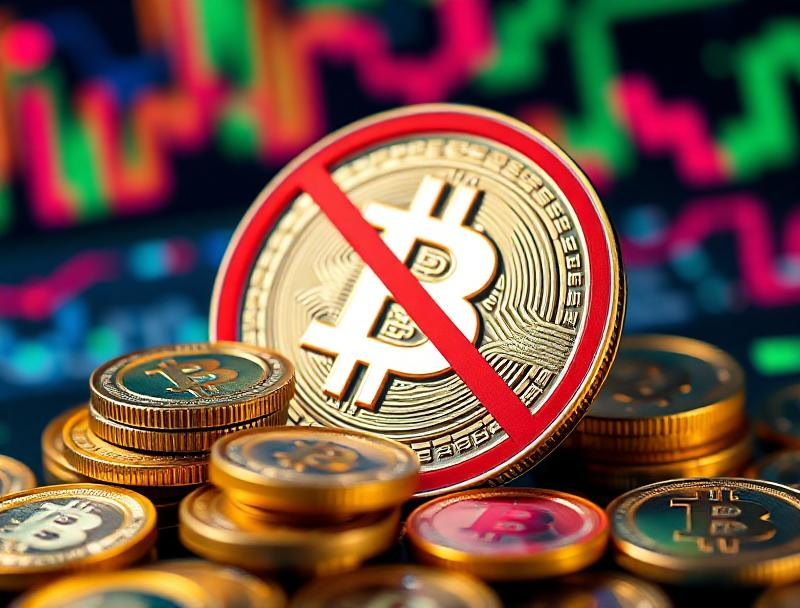

Crypto burn is a deliberate method used to decrease the circulation of digital assets by permanently removing a portion from the total available amount. This approach creates a deflationary effect, which can increase scarcity and potentially enhance the overall value of the remaining units. By eliminating tokens in this way, projects aim to balance demand with limited availability.
This mechanism works through sending coins or tokens to an irretrievable address, often called a “burn wallet,” where they cannot be accessed or spent again. Unlike simple transfers, these operations reduce the active pool of tokens, tightening the ecosystem’s economy. Understanding how this influences price dynamics helps investors and users make more informed decisions about asset valuation.
The impact on market perception stems from reduced abundance combined with steady or growing interest in the asset. As fewer units circulate, each one can represent a larger share of ownership or utility within its platform. Recognizing this connection between quantity control and potential appreciation is key for anyone looking to navigate deflationary digital currencies effectively.
Understanding crypto burn: reducing token supply
The burn process involves permanently removing a portion of a cryptocurrency’s tokens from circulation, which directly impacts the overall availability. This mechanism is designed to create scarcity by decreasing the total number of units accessible to users, often leading to increased perceived value if demand remains constant or grows. By sending tokens to an inaccessible address, the network ensures that these assets cannot be retrieved or spent again.
Implementing such a deflationary strategy helps projects manage inflation within their ecosystems. For example, Binance Coin (BNB) employs periodic burns based on trading volume to reduce its circulating amount systematically. This approach encourages holders by potentially enhancing the token’s price over time through controlled reduction in quantity.
How burning influences valuation and market dynamics
Reducing the quantity of tokens available shifts supply-demand equilibrium, creating upward pressure on price when demand stays steady or rises. It works similarly to stock buybacks in traditional finance but with the distinction that burned tokens are destroyed rather than held by the issuer. This elimination impacts liquidity and can enhance investor confidence by signaling commitment to long-term project sustainability.
A practical illustration is seen in Ethereum’s EIP-1559 update, which introduced a base fee burn where part of transaction fees is permanently removed from circulation. This has created a partially deflationary effect during periods of high network activity, demonstrating how operational usage can contribute directly to lowering token count and influencing value.
Technical implementation and considerations
The burning procedure typically involves sending tokens to “black hole” addresses–wallets without private keys–ensuring irretrievability. Smart contracts may automate this process based on predefined conditions such as transaction volume thresholds or time intervals. Projects must carefully design these rules since excessive removal could negatively affect ecosystem functionality and user incentives.
- Scheduled burns: Regularly timed reductions maintain predictable deflationary trends.
- Transaction-based burns: A fraction of fees or transfer amounts is destroyed per operation, aligning network use with tokenomics.
Diverse use cases across blockchain networks
Different platforms adopt burning for unique purposes beyond simple scarcity creation. For instance, Ripple (XRP) uses burning during transactions as a spam-prevention tool, charging minimal fees that are destroyed rather than awarded elsewhere. Meanwhile, projects like Shiba Inu incorporate voluntary community burns where holders send tokens to burn addresses collaboratively aiming at supporting price growth.
Evaluating risks and long-term implications
The effectiveness of token destruction depends heavily on market context and project fundamentals. While scarcity can boost perceived worth, it does not guarantee sustained demand or price growth. Overuse might lead to illiquidity issues or reduced ecosystem flexibility if too many units vanish prematurely. Therefore, transparent communication regarding burn schedules and expected outcomes is critical for maintaining holder trust.
A balanced approach combining gradual elimination with ongoing development efforts tends to yield better results than aggressive one-off burns. Investors should analyze historical data on past events’ influence over valuation metrics before factoring token annihilation into decision-making processes.
How crypto burn works
The primary mechanism behind token elimination involves sending a specific portion of tokens to an address that cannot be accessed or spent. This process effectively removes those tokens from circulation, resulting in a decline in the total number of units available on the network. By permanently locking these tokens away, projects aim to increase scarcity, which can positively influence the asset’s intrinsic value over time.
This method serves as a deflationary tool designed to counteract inflationary pressures within various blockchain ecosystems. Instead of minting new tokens and expanding the overall volume, this approach gradually tightens availability, encouraging holders and traders by potentially enhancing purchasing power relative to the remaining pool.
Technical aspects and real-world examples
One common implementation involves smart contracts programmed to automatically destroy tokens after fulfilling certain conditions such as transaction fees or periodic events. Binance Coin (BNB) is a prominent example where scheduled destruction takes place quarterly based on trading volumes. This transparent approach allows users to verify that a set amount has been eliminated, supporting trust in the process.
Another example is Ethereum Improvement Proposal (EIP) 1559, which introduced a fee-burning mechanism whereby part of the transaction fee is irrevocably removed from circulation. This adjustment created a continuous deflationary pressure by steadily decreasing Ether’s effective quantity with each block mined, highlighting how protocol-level changes can embed destruction features directly into consensus rules.
The effectiveness of this strategy depends heavily on transparency and verifiability. Public ledgers enable anyone to monitor token destruction events, ensuring accountability for participants who want confirmation that coins have truly been taken out of circulation instead of being held privately or redistributed.
For individuals exploring such concepts for personal investing or educational purposes, it helps to think about this like withdrawing money from circulation in an economy: when fewer units exist but demand remains steady or rises, each remaining unit typically gains additional worth. However, it is crucial to consider other market factors influencing valuation beyond mere quantitative reduction.
Methods for burning tokens
One common approach to token elimination involves sending assets to a wallet without private keys, often called a burn address. This method effectively removes coins from circulation by making them inaccessible forever. For instance, Binance regularly executes such transfers to reduce overall availability, contributing to a deflationary mechanism that can enhance the perceived worth of remaining assets.
Another technique employs automated smart contracts programmed to destroy tokens during specific events or transactions. These contracts deduct a predetermined percentage of tokens from each transfer and eliminate them permanently. Projects like Ethereum-based decentralized applications frequently integrate this feature to promote scarcity systematically and maintain economic balance within their ecosystems.
Alternative token destruction mechanisms and their implications
Some platforms utilize buyback-and-burn strategies where they repurchase tokens from the open market using profits or fees generated by the protocol, then send these tokens to irretrievable addresses. This process not only decreases circulating units but also signals confidence in the asset’s value by demonstrating active management of monetary policy. Examples include PancakeSwap’s periodic burns funded by trading fees accrued on its platform.
A less direct yet impactful method involves locking tokens in staking or liquidity pools for extended periods, effectively reducing free-floating quantities available for trade. While not outright destruction, this form of temporary removal contributes similarly by tightening availability and encouraging holder commitment. Combining lock-up schemes with actual eradication efforts creates layered approaches that strengthen deflationary pressure while supporting network stability.
Impact on token value
The act of permanently removing units from circulation directly influences the market dynamics by lowering the overall quantity available. This contraction in availability, often referred to as a deflationary mechanism, can create upward pressure on price if demand remains stable or increases. Such a process encourages holders to perceive their assets as more scarce, potentially enhancing perceived worth over time.
Quantitatively, when a protocol eliminates a portion of its circulating amount through this method, it reduces inflationary pressures that might otherwise dilute value. For example, Binance Coin (BNB) employs quarterly reductions targeting 20% of its initial total issuance, which has historically supported price appreciation trends by incrementally limiting excess units.
Technical aspects affecting valuation
The relationship between scarcity and value is fundamental but not linear; market sentiment and utility play pivotal roles alongside supply adjustments. Deflationary mechanisms must be carefully calibrated to avoid unintended consequences such as excessive volatility or reduced liquidity. A well-implemented reduction strategy balances these factors by scheduling burns transparently and aligning them with network growth metrics.
Consider Ethereum’s transition proposals involving fee-burning models where a base fee is destroyed after each transaction. This shift creates ongoing scarcity proportional to network usage rather than arbitrary intervals, linking destruction volumes to actual activity and thus embedding economic incentives within the protocol’s core operation.
- Example: The EIP-1559 upgrade introduced an automatic destruction of transaction fees, effectively reducing net issuance despite new coin creation through mining rewards.
- Outcome: This dynamic adjustment helps stabilize token economics and supports long-term holder confidence by transparently demonstrating commitment to controlling inflationary effects.
The psychological impact on participants should not be underestimated either. Seeing consistent removal events establishes expectations for increased rarity and potential gains, motivating holding behavior instead of rapid selling. This shift can improve token velocity metrics favorably by encouraging retention.
Finally, empirical data suggests that projects incorporating these protocols often experience enhanced investor interest during burn announcements due to perceived disciplined monetary policy. However, it remains essential to evaluate such actions alongside broader market conditions and project fundamentals rather than assuming automatic price elevation solely from quantity reduction methods.
Conclusion: Tracking Token Destruction and Its Impact on Circulation
Monitoring the quantity of tokens taken out of active circulation is crucial for assessing deflationary dynamics within blockchain ecosystems. By precisely quantifying these removals, analysts can better gauge changes in overall availability, which often correlates with shifts in asset valuation and market behavior.
Systems that implement controlled elimination mechanisms–such as periodic destruction events or transaction fee burns–offer transparent insights into supply contraction. For example, Ethereum’s EIP-1559 introduced a base fee burn that steadily decreases effective availability, subtly influencing scarcity and potentially enhancing long-term worth.
Key Technical Takeaways and Future Outlook
- Transparent tracking tools: On-chain explorers and smart contract analytics enable real-time verification of token removal, ensuring accuracy in supply metrics and fostering investor confidence.
- Supply elasticity considerations: Understanding how removal rates interact with issuance schedules helps predict inflationary or deflationary trends, impacting strategic decisions like staking or liquidity provision.
- Market response modeling: Incorporating burn data into valuation models refines price forecasting by accounting for diminishing circulating quantities over time.
- Protocol design implications: Future projects may increasingly integrate automated reduction features to enhance scarcity-driven value appreciation without compromising network utility.
The ongoing advancement of decentralized finance applications will likely see more sophisticated frameworks for token elimination paired with adaptive emission controls. This convergence aims to balance ecosystem growth with sustainable scarcity, promoting healthier economic incentives. Tracking such processes equips participants with actionable intelligence to navigate evolving conditions confidently and capitalize on emerging opportunities tied to controlled diminution of available assets.