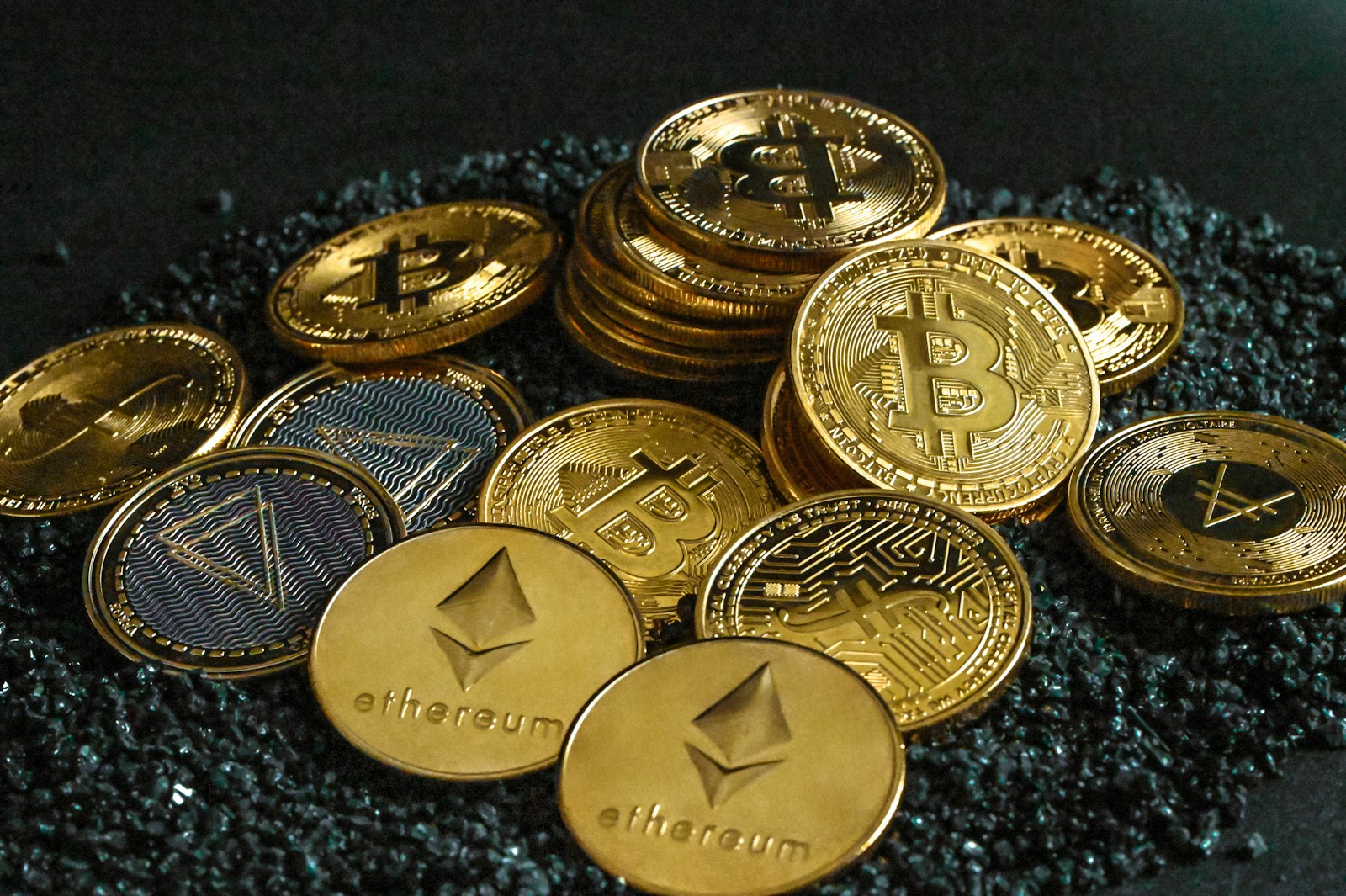

If you want to receive complimentary digital assets, participating in airdrop campaigns is one of the most straightforward methods. These distributions involve sending coins or units directly to users’ wallets, usually as part of promotional efforts by blockchain projects aiming to build awareness and reward early supporters.
Projects often allocate a portion of their supply for these giveaways, granting recipients valuable incentives simply for holding certain cryptocurrencies or completing specific tasks like social media engagement. This approach not only spreads the asset among potential community members but also enhances visibility through organic marketing.
To benefit from such events, monitoring announcements on official channels and registering with trustworthy platforms is key. Keep in mind that some distributions require minimal action–such as signing up or linking wallets–while others might ask for more involvement. Understanding how allocation works helps maximize your rewards efficiently without unnecessary steps.
Understanding crypto airdrops: free tokens explained
Receiving complimentary digital assets through distribution events has become a popular strategy among blockchain projects aiming to expand their user base. These distributions often serve as incentives, rewarding participants with units of new or existing networks without requiring a financial purchase.
The mechanism behind these distributions typically involves allocating specific quantities of digital assets directly to wallet holders who meet predefined criteria, such as holding certain coins or engaging in community activities. This approach facilitates organic marketing and broadens awareness while offering tangible value to recipients.
Technical aspects and distribution methodologies
Distribution campaigns can be categorized by their execution methods. Some operate via snapshot-based allocations, capturing blockchain states at precise moments to identify eligible addresses. Others utilize task-based models where participants complete actions like social media promotion or platform sign-ups before receiving rewards. For example, the Stellar Lumens (XLM) distribution in 2017 employed snapshot timing to allocate funds proportionally to Bitcoin holders.
Projects also vary in token delivery mechanisms–some transfer assets immediately upon qualification, while others employ vesting schedules to release rewards incrementally, ensuring long-term engagement and reducing speculative dumping risks. Such strategies have been observed in decentralized finance (DeFi) protocols that aim to stabilize initial circulation.
Marketing benefits and participant incentives
From a promotional perspective, these giveaways act as efficient marketing tools by encouraging community involvement and increasing token circulation without direct expenditure on advertising. Distributing assets incentivizes users to explore platforms and services, enhancing network effects organically. Notable cases include Uniswap’s early governance token allocation that significantly boosted platform adoption.
For individuals receiving these grants, it represents an accessible entry point into emerging ecosystems. While the value may fluctuate post-distribution, participating in these initiatives offers firsthand experience with project functionalities and potential upside from asset appreciation over time.
Risks and practical considerations
Despite apparent advantages, recipients should exercise caution regarding potential security risks such as phishing attempts disguised as reward claims or unsolicited communications requesting private keys–which legitimate distributions never require. Verifying official channels is crucial before interacting with any claim process.
Additionally, tax implications vary by jurisdiction; some authorities consider received digital assets taxable income at fair market value upon receipt. Keeping detailed records of all transactions related to distributed units aids compliance and accurate reporting.
How newcomers can engage effectively
- Create a compatible digital wallet supporting the relevant blockchain standards (e.g., ERC-20 for Ethereum-based distributions).
- Monitor official project announcements via verified social media accounts or reputable forums for distribution alerts.
- Participate according to specified requirements–holding designated coins during snapshots or completing promotional tasks honestly.
- Avoid sharing sensitive information beyond public wallet addresses; never disclose private keys under any circumstances.
- Track received assets using portfolio management tools to evaluate potential use cases or trading opportunities later.
Examples illustrating varied approaches
This structured overview provides clarity on various mechanisms behind asset giveaways within decentralized networks while highlighting actionable guidance for those interested in exploring such opportunities responsibly.
How to Qualify for Airdrops
To receive distributed rewards from blockchain projects, participants must often meet specific eligibility criteria set by the developers. Commonly, qualification involves holding certain coins or interacting with particular decentralized applications before a predetermined snapshot date. This snapshot captures wallet balances and transaction histories that serve as the basis for reward allocation.
Another frequent requirement is completing tasks designed to increase community engagement or marketing exposure. Examples include following official social media channels, joining project chat groups, or submitting wallet addresses via registration forms. These actions help projects build awareness while verifying participant interest and authenticity.
Key Methods to Become Eligible
- Token Holding: Maintaining a minimum balance of specified assets on supported wallets during a snapshot period ensures inclusion in distribution lists. For instance, holders of Ethereum-based stablecoins have qualified for various platform incentive campaigns.
- Platform Usage: Engaging with decentralized finance protocols–such as lending, swapping, or staking–can trigger eligibility events. The Uniswap early user rewards program famously granted allocations based on historical trading activity.
- KYC Verification: Some projects require identity verification to comply with regulatory standards before sending tokens. This step also helps prevent fraudulent claims and duplicate entries.
Projects may additionally demand participation in promotional events like quizzes or referral systems to verify active involvement rather than passive holdings. Such mechanisms ensure reward distribution reaches genuinely interested users contributing to ecosystem growth.
A detailed understanding of each initiative’s terms reduces missed opportunities and improves chances of successful qualification. Monitoring official communication channels and subscribing to airdrop aggregators provide timely updates about upcoming campaigns and their specific requirements.
Practical preparation includes maintaining compatible wallets (such as MetaMask or hardware devices), securing private keys safely, and avoiding scams by verifying project legitimacy beforehand. By consistently engaging with emerging platforms and adhering to outlined steps, participants position themselves favorably for future distributions across diverse blockchain networks.
Claiming and storing free tokens
To successfully receive rewards from airdrop distributions, it is essential to follow precise claiming procedures. Typically, eligible participants must connect a compatible wallet that supports the distributed digital assets. For example, many projects require interaction through MetaMask or Trust Wallet connected to the official platform or smart contract. Failing to verify eligibility via on-chain data or off-chain registration steps may result in losing access to allocated units. Some initiatives implement claim periods within specific block ranges, making timely action critical.
Once access to the asset allocation is confirmed, users often need to initiate a claim transaction on the blockchain, which incurs network fees paid in native currency (e.g., ETH for Ethereum-based projects). Understanding gas optimization techniques can reduce costs during this step. It is advisable to double-check contract addresses and source authenticity before submitting any transactions, as phishing attempts mimicking legitimate distributions are common in the ecosystem.
Storing these assigned digital assets securely demands wallets compatible with the asset’s standard–such as ERC-20 or BEP-20–and offers private key control. Hardware wallets like Ledger or Trezor provide enhanced security by isolating keys offline. Alternatively, software wallets with multi-factor authentication and seed phrase backup enable convenient management for beginners. Avoid custodial exchanges for long-term holding due to potential withdrawal restrictions or delisting risks associated with newly received units.
Examining case studies reveals varying distribution mechanics: Uniswap’s initial liquidity mining rewarded users based on historic interaction data, requiring signature verification before token transfer; similarly, 1inch distributed incentives proportionally using snapshot balances at predetermined blocks. These approaches highlight that understanding distribution logic assists in anticipating claim requirements and storage compatibility. Continuous monitoring of project communications ensures recipients remain informed about deadlines and technical steps necessary for secure receipt and custody of their allocated assets.
Risks of Scam Airdrops
Always exercise caution before engaging with any promotional distributions offering digital assets as rewards. Malicious campaigns often masquerade as legitimate marketing efforts but aim to harvest sensitive information or compromise user wallets. Verifying the authenticity of such distributions through official project channels and blockchain explorers is a necessary first step to avoid falling victim to fraudulent schemes.
One common tactic employed by scammers involves requesting private keys or seed phrases under the guise of claiming distributed assets. No genuine project will ask for this information since possession grants full control over a user’s holdings. Providing these details inevitably leads to irreversible loss, emphasizing the importance of understanding secure wallet management practices when interacting with promotional giveaways.
Technical Red Flags and Distribution Patterns
Suspicious distribution mechanisms frequently exhibit irregularities in token allocation that can be detected through on-chain data analysis. For example, disproportionate reward amounts sent to new or inactive addresses may indicate an orchestrated attempt to inflate perceived value artificially. Examining transaction histories via blockchain explorers like Etherscan or BscScan helps identify anomalies inconsistent with standard marketing campaigns.
Another indicator involves smart contracts used for token delivery; poorly coded contracts might contain hidden functions allowing unauthorized access or irreversible locking of assets. Detailed audits performed by reputable security firms provide insights into contract integrity, serving as reliable references before participation. Absence of such audits combined with aggressive promotion should raise immediate concerns regarding the legitimacy of the distribution strategy.
- Phishing links: Links directing users to counterfeit websites designed to steal credentials.
- Excessive permissions: Requests for wallet approval enabling token transfers without explicit consent.
- Unrealistic promises: Guaranteed high-value rewards regardless of prior involvement.
User education plays a pivotal role in mitigating risks associated with deceptive giveaways. Encouraging verification through community forums, official announcements, and cross-referencing multiple sources enhances decision-making confidence. Additionally, employing hardware wallets and segregating funds intended for speculative promotions from main holdings reduces potential damage from accidental exposure during suspicious distributions.
The trajectory of incentive distributions suggests a shift toward more sophisticated reward structures integrating automated eligibility verification via on-chain data. This progression not only enhances transparency but also reduces manual overhead for both projects and recipients. Staying informed about these developments equips individuals to better navigate the dynamic environment of decentralized asset allocation while maximizing long-term value from participatory actions.