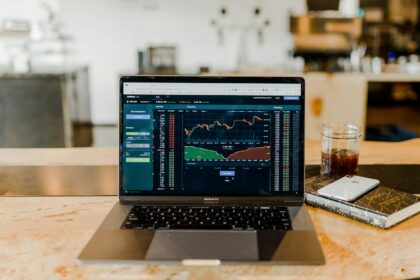


Utilize specialized apps designed to categorize your spending automatically, making it easier to identify where your funds go each day. These tools help break down costs into clear segments such as groceries, transportation, and entertainment, allowing precise control over your budget.
Consistent recording is key for effective management. By logging every transaction promptly with reliable tracking software, you create a comprehensive overview that reveals patterns and highlights unnecessary outflows. This ongoing documentation forms the basis for insightful financial analysis.
Leverage built-in analytics within these platforms to compare different categories over time. Recognizing trends in specific sectors empowers smarter decisions, like adjusting discretionary purchases or reallocating funds toward savings goals. Regular review sessions reinforce awareness and promote accountability.
Money tracking: daily expense monitoring
Effective management of personal finances begins with systematic recording and reviewing of monetary outflows. Utilizing dedicated applications allows individuals to categorize transactions automatically, enabling precise observation of fund allocation across various needs such as housing, food, transportation, and discretionary spending.
Implementing consistent registration of each disbursement enhances awareness about consumption patterns and supports informed decision-making. Automated tools often provide real-time synchronization with bank accounts and credit cards, minimizing manual entry errors and expediting the process.
Structuring categories for comprehensive analysis
Dividing expenditures into distinct segments ensures clarity in understanding where resources are directed. Common classifications include fixed costs (rent, utilities), variable costs (groceries, entertainment), and periodic payments (subscriptions, insurance premiums). This breakdown facilitates detailed evaluation through graphical representations or tabulated summaries within many finance applications.
For example, a user might notice an increase in transportation-related spending during a certain month by analyzing categorized data. Such insights can prompt adjustments to budgets or exploration of cost-saving alternatives like ridesharing or public transit options.
Leveraging technology for continuous financial supervision
Modern software solutions deploy algorithms that detect anomalies or unusual transaction volumes compared to historical behavior. These alerts serve as proactive measures against potential fraud or inadvertent overspending. Integration with blockchain wallets further extends oversight capabilities to cryptocurrency holdings by tracking token movements and exchange activities.
Additionally, some platforms support multi-device access and cloud storage ensuring data persistence and accessibility anytime. Users benefit from consolidated dashboards presenting income versus outgoings along with predictive analytics based on prior trends.
Case study: automated expense categorization improving budget adherence
A practical instance involves an individual employing a popular expense management app configured to sync with multiple accounts. Over three months, the system identified recurring charges previously unnoticed due to manual omission. After flagging these subscriptions under ‘miscellaneous,’ the user canceled unnecessary services, resulting in monthly savings approximating 15% of their non-fixed expenditures.
Stepwise guide to initiating daily ledger maintenance
- Select an application compatible with your devices that offers bank linkage and customizable categories.
- Import or input initial account balances manually if automatic synchronization is unavailable.
- Create personalized labels reflecting your spending habits beyond default presets.
- Record every transaction promptly; enable notifications prompting entries after purchases.
- Review weekly summaries focusing on category distribution shifts or unexpected spikes.
- Adjust budgetary limits within the app settings according to observed tendencies and financial goals.
The role of analytical reports in fostering fiscal discipline
Regular examination of compiled data via charts and numerical reports provides objective feedback on progress toward targets such as debt reduction or savings accumulation. Visual tools enhance comprehension by translating raw figures into accessible formats like pie charts illustrating percentage shares per segment or line graphs tracking expenditure evolution over time.
This ongoing evaluation empowers users to recalibrate strategies dynamically rather than reacting belatedly after budget breaches occur. Consequently, maintaining meticulous records supported by technology cultivates an environment conducive to sustainable economic wellbeing without requiring extensive expertise in finance management systems.
Choosing Tools for Regular Financial Monitoring
To effectively oversee your daily disbursements, selecting the right software solutions is critical. Applications designed for this purpose must offer detailed categorization capabilities, allowing users to allocate transactions into well-defined groups such as groceries, transportation, and utilities. This classification facilitates precise evaluation of spending patterns and supports informed decisions on budget adjustments.
When assessing different platforms, prioritize those with robust data visualization features. Graphs and charts that break down expenditures over time provide clear insight into consumption habits. For example, apps like YNAB (You Need A Budget) or Mint incorporate customizable dashboards that present real-time summaries alongside historical data, enabling continuous analysis without overwhelming the user.
Key Functionalities in Financial Management Apps
Synchronization with multiple accounts is indispensable for comprehensive oversight. Tools that integrate bank accounts, credit cards, and digital wallets consolidate information automatically, reducing manual input errors. Applications such as Tiller Money utilize spreadsheet automation to import transactional data directly from financial institutions via secure APIs.
Security protocols are paramount when handling sensitive information. Opt for tools employing end-to-end encryption and multi-factor authentication to safeguard personal details against unauthorized access. Blockchain-based solutions are emerging in this area; platforms leveraging distributed ledger technology enhance transparency while maintaining privacy through cryptographic measures.
- Automated alerts: Notify users about unusual activity or approaching limits within specific categories.
- Customizable categories: Allow tailoring of expense types to individual lifestyles or professional needs.
- Export options: Enable data extraction in formats such as CSV or Excel for external review or tax purposes.
The choice between free versus subscription-based services often depends on the depth of features required. Premium apps typically include advanced forecasting modules powered by AI algorithms that predict future expenditure trends based on past behavior–valuable for long-term planning.
Selecting a suitable tool should also consider platform compatibility–whether it operates smoothly on mobile devices alongside desktop environments–and the availability of offline modes for uninterrupted access during connectivity interruptions. Evaluating these factors with respect to your personal routine enhances consistency in managing financial flows effectively.
A practical approach involves testing a few applications simultaneously under trial periods to compare interfaces and feature sets firsthand. For instance, a user might record identical outlays across three different apps over one week to identify which provides clearer insights or easier input methods. This experiential method minimizes the risk of adopting an ill-fitting system and maximizes confidence in the management process.
Categorizing and Recording Expenses
Effective categorization is the foundation of precise financial record-keeping. Dividing expenditures into clear groups such as housing, utilities, transportation, and entertainment enables detailed evaluation and facilitates pattern recognition. Many applications offer customizable category frameworks that adapt to individual spending habits, allowing users to assign each transaction accurately. This method improves the clarity of monetary flows and simplifies subsequent data interpretation.
Recording transactions promptly within specialized software or mobile apps ensures accuracy and completeness of information. Automated tools often integrate with bank accounts or digital wallets via APIs, providing real-time synchronization without manual input. For instance, blockchain-based platforms leverage decentralized ledgers to immutably log financial events, enhancing transparency and security during record compilation.
Technical Aspects of Categorization and Analysis
Advanced solutions utilize machine learning algorithms to classify expenses automatically by analyzing transaction metadata such as merchant names, amounts, and timestamps. This reduces human error and accelerates data processing speed. Users can refine these categorizations by confirming or reassigning entries, which in turn improves algorithm accuracy over time. The collected data supports multi-dimensional analysis through dashboards presenting spending trends across predefined categories.
Practical application examples include integrating expense management tools with cryptocurrency wallets for comprehensive asset monitoring. Such configurations allow simultaneous tracking of fiat outflows alongside crypto transactions classified under investment or operational costs. Analytical reports generated from this aggregated data facilitate informed decision-making by highlighting overspending areas or potential savings opportunities across all financial activities.
Analyzing Spending Patterns Weekly
To optimize personal financial management, it is advisable to conduct a weekly review of expenditures by grouping transactions into well-defined categories. This approach allows for precise identification of spending behaviors and potential areas for adjustment. Utilizing dedicated applications that support multi-category sorting enhances the clarity of such reviews, offering detailed summaries and trend visualization based on numerical data.
Implementing systematic analysis tools enables users to compile and compare records over seven-day intervals, revealing periodic fluctuations often masked in daily snapshots. For instance, distinguishing between fixed costs like subscriptions and variable purchases such as dining or entertainment helps in allocating budgets more effectively and forecasting future outflows with higher accuracy.
Benefits of Categorized Weekly Reviews
A structured weekly examination reduces the cognitive load associated with continuous financial oversight. By consolidating transactions into coherent groups–such as groceries, transport, utilities, or discretionary spending–users can observe shifts in allocation patterns more readily. Technical case studies have shown that this method improves adherence to budget plans by up to 25% compared to ad hoc monitoring.
Additionally, many mobile apps incorporate automated tagging algorithms powered by machine learning models that classify entries based on merchant information and transaction metadata. These tools not only speed up data organization but also minimize human error during input, thereby enhancing the reliability of subsequent statistical assessments.
Technical Implementation Using Apps and Tools
Popular platforms provide features like customizable dashboards, graphical reports, and exportable data sets compatible with spreadsheet software for deeper exploration. A practical example includes setting alerts for category overspending or generating comparative charts illustrating weekly variances month-over-month. Such functionalities aid in detecting anomalies or recurring trends without manual calculation.
- Integration with bank APIs: Enables real-time synchronization of accounts ensuring comprehensive coverage.
- Categorization accuracy: Improves through user feedback loops correcting misclassified items.
- Visualization options: Pie charts, histograms, and line graphs support diverse analytical perspectives.
Applying Data-Driven Insights for Financial Decisions
The aggregation of categorized spending over weeks facilitates informed decision-making regarding budget adjustments or savings strategies. For example, identifying an upward trend in transportation costs might prompt reconsideration of commuting methods or subscription services related to mobility. Regular use of analytical reports empowers individuals to set realistic financial goals grounded in empirical evidence rather than assumptions.
Sustaining Engagement Through User-Friendly Methodologies
Simplifying the review process encourages consistent participation even among individuals new to financial management software. Step-by-step tutorials embedded within applications guide users through categorizing transactions correctly and interpreting analytics outputs meaningfully. Engaging interfaces that explain concepts using relatable examples–such as comparing coffee shop visits across weeks–build confidence gradually without overwhelming complexity.
A balanced combination of automated assistance and educational content transforms routine fiscal checks into constructive exercises fostering long-term habits conducive to financial stability and growth. Ultimately, adopting a weekly perspective sharpens awareness about resource consumption patterns while promoting proactive adjustments tailored to personal objectives.
Adjusting Budget Based on Data
Effective allocation of financial resources requires continuous evaluation of spending patterns across various categories. Utilizing advanced tools and applications for systematic expense observation enables precise adjustments that reflect real consumption behaviors rather than assumptions.
Integrating detailed analysis with automated platforms enhances the granularity of insights, revealing underutilized or overextended budget segments. This data-driven approach helps in optimizing allocations to maximize value without compromising essential needs.
Technical Insights and Future Directions
The adoption of AI-powered analytics within budgeting apps is transforming how individuals and organizations respond to their fiscal realities. For example, machine learning algorithms can identify anomalies or recurring trends in transactions, prompting timely recalibrations.
- Category segmentation: Leveraging dynamic categorization improves visibility into spending habits, allowing for more nuanced budget modifications based on granular data rather than broad averages.
- Real-time synchronization: Integration with blockchain-based ledgers ensures immutable and transparent recording of transactions, enabling trustless verification and reducing reconciliation errors.
- Predictive modeling: Forecasting future outflows using historical datasets enhances preparedness for cyclical or seasonal changes in expenditure patterns.
Emerging decentralized finance (DeFi) tools also present opportunities to automate budget adjustments through programmable smart contracts, which could enforce spending limits or reallocations autonomously when predefined thresholds are met.
This evolving ecosystem suggests a shift towards fully integrated financial management environments where continuous feedback loops refine budgeting processes with minimal manual intervention. Adopting such technologies will empower users to maintain disciplined fiscal control while adapting responsively to new economic variables.