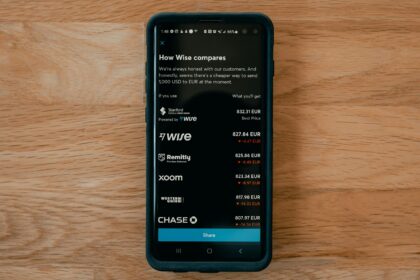


Organizing your funds begins with categorizing expenses and income into clear, manageable groups. Use tools like spreadsheets or budgeting apps to track transactions daily. This approach reduces errors and improves visibility, making adjustments quicker and more precise.
Reducing complexity in managing resources increases efficiency. Automate recurring payments and savings contributions to minimize manual intervention. Automation cuts down on missed deadlines and late fees, ensuring consistent growth without constant oversight.
An effective strategy involves consolidating accounts to limit fragmentation. Holding multiple accounts for similar purposes scatters attention and complicates reconciliation. Fewer accounts mean streamlined monitoring, easier forecasting, and better control over overall cash flow.
Implementing simple rules–for example, the 50/30/20 budgeting method–provides a straightforward framework that balances needs, wants, and savings. Clear guidelines foster disciplined spending habits without overwhelming details, promoting sustainable financial health.
Regular reviews enhance organization by identifying inefficiencies or redundant charges. Monthly check-ins allow timely course corrections before small issues escalate. Tracking progress with measurable goals keeps motivation high and ensures steady improvement of monetary arrangements.
Financial simplicity: streamlining money systems
To enhance the management of funds within organizations, adopting modular transaction architectures significantly improves operational workflow. By implementing blockchain-based ledgers, entities reduce overhead and increase transparency, which leads to increased efficiency in handling payments and settlements. This approach minimizes intermediaries while maintaining secure validation processes, making monetary transfers both reliable and quick.
Effective structuring of resource allocation benefits from integrating automated reconciliation protocols. Such mechanisms cut down manual interventions, which often cause delays and errors in account balancing. For example, smart contracts on Ethereum enable conditional execution of agreements without human oversight, providing an easy-to-use framework that supports complex financial arrangements with minimal friction.
Technical approaches to optimize organizational cash flow
Distributed ledger technology (DLT) facilitates robust record-keeping by synchronizing data across multiple nodes simultaneously. This synchronization ensures consistency and reduces the risk of duplication or fraud, thereby improving the overall integrity of fiscal records. Companies using Hyperledger Fabric have reported reductions in transaction confirmation times by up to 60%, exemplifying tangible gains in process acceleration.
An important tactic involves reducing legacy infrastructure reliance by migrating toward cloud-native solutions tailored for decentralized asset tracking. Cloud platforms offer scalable compute power and storage capacity aligned with demand peaks, enabling businesses to maintain agility while controlling costs. The integration of APIs allows seamless communication between disparate applications, simplifying fund tracking and reporting.
- Case Study: Santander Bank’s use of blockchain for international transfers decreased settlement time from days to hours.
- Practical Tip: Implementing layered security protocols ensures protection without complicating user experience.
- Example: Supply chain firms use tokenization to represent assets digitally, facilitating transparent exchanges.
Creating accessible interfaces that abstract underlying complexity is critical for adoption among non-technical users. Wallet designs focusing on intuitive navigation allow individuals to conduct transactions effortlessly while maintaining control over private keys. Education initiatives paired with these tools encourage confidence in managing digital value safely and independently.
The path toward enhanced cash handling efficiency combines innovative technology with streamlined operational workflows. By leveraging automation, decentralization, and user-centric design principles, organizations can transform cumbersome procedures into straightforward processes accessible to all participants. This evolution ultimately supports more resilient economic activities grounded in trust and clarity.
Choosing Minimal Bank Accounts
Limiting the number of bank accounts to a minimal set enhances organization and reduces unnecessary complexity in managing personal finances. A practical approach involves selecting one primary account for daily transactions, such as salary deposits and bill payments, and one or two supplementary accounts dedicated to savings or specific financial goals. This setup makes it easier to monitor cash flow, avoid redundant fees, and maintain a clearer overview of available resources.
For example, using a single checking account paired with a high-yield savings account can achieve both liquidity and growth without overcomplicating asset distribution. According to recent banking reports from the Russian market, the average consumer benefits from reducing their active accounts from three or more down to two without sacrificing access or flexibility. This consolidation supports efficient tracking and minimizes time spent reconciling multiple statements.
Technical Factors in Account Selection
Selecting accounts with compatible technological features facilitates easy integration into personal finance tools and apps, improving transaction transparency. Modern banks offer APIs and mobile platforms that streamline fund transfers between accounts instantly. Choosing providers with robust digital infrastructures ensures smoother automation of regular payments and notifications, thereby enhancing user experience while maintaining secure access.
An illustrative case is Sberbank’s API ecosystem, which allows users to automate transfers between a checking account and an investment account within a single interface. This capability exemplifies how fewer but technologically advanced accounts optimize resource management without requiring additional manual effort.
- Fee structure: Opt for accounts with minimal maintenance fees or those waiving fees under certain conditions.
- Interest rates: Prioritize savings-oriented accounts offering competitive yields.
- Service accessibility: Ensure availability of reliable online banking services.
A streamlined portfolio relying on selected accounts helps reduce overhead costs and increases net returns by preventing idle balances scattered across numerous low-yield repositories.
The psychological benefit of fewer accounts also contributes positively; users tend to feel more in control when their banking framework is concise yet comprehensive enough for their lifestyle demands. By focusing on core functionalities–payment processing, saving accumulation, expense monitoring–individuals create an effective money management environment conducive to goal achievement without unnecessary distractions or complications.
Automating Monthly Bill Payments
Setting up automated monthly bill payments offers an easy and reliable approach to managing recurring expenses. By linking bank accounts or payment cards to service providers, users enable scheduled transfers that eliminate missed deadlines and manual processing. This method significantly reduces the risk of late fees and supports consistent financial organization through predictable outflows.
Automation enhances operational efficiency by minimizing the administrative burden associated with tracking due dates across different vendors. For example, utility companies often provide APIs for direct debit integration, allowing seamless synchronization with personal finance software. This integration streamlines transaction tracking and reconciliations, making budget management more straightforward and transparent.
Technical Mechanisms Behind Automation
The core technology behind automated payments involves secure authorization protocols such as OAuth combined with encrypted token exchanges to protect sensitive data during transactions. Payment Initiation Services (PIS) within Open Banking frameworks further facilitate direct debits without intermediary delays. These systems use standardized formats like ISO 20022 for payment instructions, ensuring compatibility between diverse banking institutions and billing platforms.
Consider a case study where a blockchain-based utility billing platform integrates smart contracts to automate payments only upon verified usage reports. This approach not only simplifies the payment process but also introduces trustless verification, reducing disputes and increasing transparency. Such implementations demonstrate how automation can evolve beyond simple scheduling into dynamic, condition-based financial interactions.
Tracking expenses with apps
Utilizing expense tracking applications significantly increases the precision and organization of personal and business budget management. These tools automate categorization, enabling users to monitor spending patterns without manual entry, which enhances overall operational efficiency. For example, apps like YNAB (You Need A Budget) and Mint integrate directly with bank accounts, providing real-time updates and visual reports that reduce time spent on financial record-keeping.
Implementing such software solutions facilitates an easy, systematic approach to managing outflows by consolidating data from multiple sources into one accessible interface. This consolidation supports better decision-making through clear insights into expenditure trends, allowing individuals or organizations to identify unnecessary costs and optimize resource allocation.
Automated Data Collection and Categorization
Expense tracking platforms employ various methods for importing transaction details, including API integrations with financial institutions, OCR (Optical Character Recognition) for scanning receipts, and manual input options. By automating this process, these applications minimize human error and enhance accuracy in recording expenses. For instance, OCR technology can extract key data points–merchant name, date, amount–from physical receipts quickly without user intervention.
This automation aids in maintaining a comprehensive ledger that can be customized according to categories relevant to the user’s lifestyle or business needs. Customized tagging allows for tailored reporting structures which improve clarity when analyzing expenditure behavior over specific periods.
User Interface and Experience Design
The usability of expense tracking apps plays a critical role in ensuring sustained user engagement. Apps designed with intuitive navigation layers enable users to log transactions effortlessly while also accessing detailed summaries or forecasts. Examples include graphical dashboards showing monthly spending versus income or alerts signaling budget limits approaching thresholds.
An effective interface reduces cognitive load by presenting information hierarchically–prioritizing essential metrics upfront while enabling drill-down capabilities for deeper analysis. This design principle promotes consistent usage habits that support ongoing fiscal discipline.
Security and Data Privacy Considerations
Given the sensitivity of financial information involved, robust security measures are imperative in these digital tools. Leading applications implement end-to-end encryption protocols along with multi-factor authentication mechanisms to safeguard user data against unauthorized access or breaches.
Furthermore, transparent privacy policies detailing data handling practices enhance trustworthiness among users wary of exposing their transaction histories. Users should verify compliance certifications such as GDPR or PCI DSS when selecting an app to ensure adherence to established industry standards.
Integration with Broader Financial Tools
The ability of expense trackers to synchronize with broader budgeting platforms or investment management software adds value by providing a holistic view of one’s economic status. For instance, integration with tax preparation software can streamline annual filings by compiling deductible expenses systematically throughout the year.
This interoperability extends utility beyond simple expense monitoring toward comprehensive resource planning frameworks that address both short-term liquidity management and long-term wealth accumulation goals.
Customization and Adaptability for Diverse Needs
Diverse user profiles demand adaptable functionalities within tracking applications–from freelancers managing irregular incomes to enterprises overseeing multiple departments’ expenditures. Customizable features such as setting variable budget limits per category or generating multi-user access permissions cater effectively to these varying requirements.
- Freelancers: Use project-based expense tags to track profitability per contract.
- Small businesses: Implement shared account access for team members responsible for different cost centers.
- Households: Schedule recurring payments reminders alongside daily spending logs for better cash flow control.
The adaptability embedded in these platforms ensures they remain relevant across changing financial scenarios while supporting continuous optimization efforts toward enhanced fiscal responsibility.
Consolidating Debt Strategically
Combining multiple liabilities into a single obligation can significantly enhance organizational clarity and reduce administrative overhead. By merging debts through targeted refinancing or balance transfer methods, individuals and companies achieve improved cash flow management and reduce the complexity of handling various payment schedules. This approach not only simplifies tracking but also often results in lower interest rates, making repayments more manageable.
When selecting an appropriate consolidation option, it’s essential to evaluate the terms offered by different lenders or financial institutions. For example, using a personal loan with a fixed interest rate to pay off credit card balances can lead to predictable monthly payments and decreased overall expenses. Additionally, debt consolidation platforms powered by blockchain technology offer transparent transaction records and automated repayment plans, increasing operational transparency and reducing human error.
Effective Techniques to Increase Efficiency
Implementing debt consolidation requires careful analysis of interest rates, fees, and repayment timelines. One effective method involves prioritizing high-interest accounts for consolidation first, which maximizes cost savings over time. Moreover, organizations can deploy budgeting tools integrated with payment scheduling features that automate due dates and notify users of upcoming obligations, fostering timely payments without manual intervention.
Case studies demonstrate that businesses leveraging decentralized finance (DeFi) protocols for debt restructuring benefit from enhanced liquidity access while maintaining control over their assets. For instance:
- Company A: Used smart contracts to consolidate multiple supplier loans into a single programmable note with automated compliance checks.
- Individual B: Transferred outstanding credit card debt into a low-interest peer-to-peer lending platform, reducing annual interest costs by 15%.
The integration of such technologies streamlines workflows and eliminates redundant processes common in traditional financial arrangements.
The key advantage lies in replacing fragmented obligations with one streamlined commitment that is easier to manage both cognitively and administratively.
A step-by-step approach to consolidation begins with compiling all current liabilities into an accessible format–spreadsheets or financial apps are suitable tools here–followed by comparing offers focused on total cost rather than monthly installments alone. Carefully reviewing early repayment penalties ensures flexibility during unforeseen circumstances. Encouraging gradual adoption of digital ledger technologies further enhances accuracy and trust within the process.
This structured methodology fosters confidence among users unfamiliar with complex financial products while providing seasoned practitioners opportunities for optimization through data-driven decision-making frameworks. The outcome is a more coherent financial framework that promotes stability without sacrificing adaptability or accessibility.
Conclusion: Enhancing Portfolio Organization through Simplification
Optimizing investment portfolios requires prioritizing operational efficiency and clarity in asset allocation. By minimizing unnecessary complexity and adopting modular structures, investors can reduce overhead costs and improve responsiveness to market shifts.
Leveraging automated rebalancing tools integrated with transparent reporting platforms enhances the effectiveness of managing diversified holdings. For instance, decentralized finance protocols now offer programmable portfolio adjustments that maintain risk profiles without manual intervention, exemplifying how thoughtful design elevates capital management.
Future Directions for Streamlined Capital Management
- Algorithmic Asset Allocation: Utilizing AI-driven analytics enables dynamic repositioning aligned with real-time data, fostering agility while preserving organizational simplicity.
- Interoperable Frameworks: Cross-chain compatibility reduces fragmentation, allowing unified oversight across multiple digital asset classes within a single dashboard environment.
- Cost-Efficient Custodial Solutions: Innovations in secure multi-signature wallets and layer-2 scaling diminish transactional friction, directly impacting net returns positively.
The trajectory points toward increasingly intuitive portfolio architectures that balance robustness with accessible control mechanisms. Embracing these advancements encourages disciplined stewardship and more strategic deployment of resources, ultimately cultivating a more refined approach to investment administration.