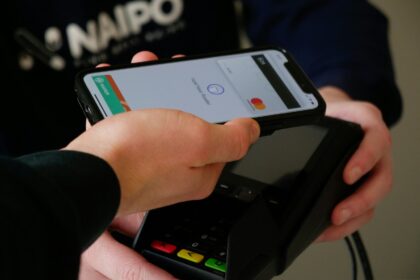


Building a dedicated fund with at least three to six months of essential outlays is the most reliable way to handle sudden financial demands. This reserve should cover housing, utilities, food, and healthcare without borrowing or sacrificing other obligations.
Accurate forecasting helps identify potential irregular charges that might arise, such as urgent car repairs or medical treatments. Tracking monthly spending patterns reveals areas where funds can be redirected toward this safety net.
Allocating money consistently ensures gradual growth of this backup capital. Even modest amounts set aside regularly create a buffer that prevents debt accumulation and reduces stress during unforeseen situations.
Prioritizing liquidity means keeping these savings accessible in low-risk accounts rather than investments with volatility or penalties for early withdrawal. Quick access to cash maintains flexibility when swift action is necessary.
Reviewing and adjusting plans periodically aligns the fund size with lifestyle changes and inflation, guaranteeing adequate coverage over time without overextending resources.
Managing Funds to Handle Sudden Financial Needs
Building a dedicated reserve is the most reliable approach to mitigate the impact of unforeseen financial demands. Allocating a specific portion of income regularly into a separate account creates a buffer that can cover urgent payments without disrupting regular budgets. Experts recommend maintaining a liquidity pool equivalent to three to six months of essential outlays, ensuring access to cash when immediate action is required.
Integrating blockchain technology can enhance transparency and security in managing such reserves. Smart contracts enable automatic allocation and disbursement of funds based on predefined conditions, reducing the risk of mismanagement or delays. For instance, decentralized finance (DeFi) platforms offer programmable savings solutions that release assets only under certain criteria, adding a layer of control beneficial for safeguarding critical monetary resources.
Strategic Planning for Financial Contingencies
Effective foresight involves identifying potential scenarios that could generate unplanned financial burdens. Conducting scenario analysis helps quantify probable expenditures related to health emergencies, urgent repairs, or sudden legal obligations. This process allows individuals and organizations to estimate necessary funding levels more accurately and prioritize resource distribution accordingly.
A practical example includes companies employing treasury management tools powered by blockchain analytics, which monitor cash flows and predict liquidity shortages before they occur. By integrating these predictive algorithms with historical data, decision-makers gain actionable insights enabling them to adjust allocations proactively rather than reactively.
- Reserve Fund Segmentation: Dividing funds into categories aligned with different types of contingencies enhances readiness and prevents depletion from unrelated costs.
- Automated Monitoring: Utilizing smart wallets connected to real-time market data ensures timely responses when thresholds are met or exceeded.
- Diversification: Holding reserves across various asset classes including stablecoins reduces exposure to volatility while maintaining liquidity.
The deployment of stable digital assets specifically designed for preserving value during market fluctuations adds resilience against inflationary pressures affecting traditional fiat reserves. Moreover, leveraging multi-signature wallets increases security by requiring multiple approvals before fund utilization, thereby minimizing internal errors or unauthorized access during critical moments.
Cultivating disciplined saving habits alongside technological integration forms the cornerstone for robust financial defense mechanisms. By combining quantitative assessments with adaptable digital infrastructure, individuals and entities can confidently address sudden monetary obligations without jeopardizing long-term stability or growth objectives.
Estimating Realistic Emergency Funds
Building a safety reserve that covers at least three to six months of essential living payments is widely recommended. This buffer ensures liquidity during sudden financial demands such as urgent health treatments, urgent home repairs, or temporary loss of income. Evaluating monthly obligations–including rent or mortgage, utilities, food, and transportation–provides a foundational metric for quantifying the target amount in a financial safeguard pool.
When structuring this contingency capital, it is prudent to include variable disbursements like periodic insurance premiums or annual vehicle maintenance fees. Ignoring these intermittent charges can result in underfunding the protective cushion. A detailed ledger tracking both fixed and fluctuating outflows over a year offers precise input data for sizing the reserve appropriately.
Planning Factors and Methodologies
Effective fund estimation begins with categorizing expenses into essentials and non-essentials. Essentials encompass costs directly impacting survival and basic well-being–for example, medication procurement or heating bills during winter. Non-essential expenditures should be excluded from the emergency allocation since they can be deferred without jeopardizing stability.
A practical approach involves analyzing historical spending patterns using bank statements or budgeting software tools. For instance, individuals frequently engaged with cryptocurrencies may consider market volatility effects on their liquid holdings when calculating accessible funds. Volatility could reduce immediate asset convertibility, thus influencing the size of fiat cash reserves needed for dependable security.
- Case Study: A blockchain developer with irregular income streams allocated seven months’ worth of core living outlays to counterbalance unpredictable earnings fluctuations.
- Example: A family residing in a region prone to natural disasters increased their reserve by 25% above standard recommendations to cover potential evacuation-related expenditures.
The inclusion of insurance reimbursements also impacts fund requirements. Understanding policy terms helps estimate how much upfront financing is necessary before claims are processed. Consequently, having additional liquid assets beyond expected reimbursements enhances readiness against fiscal shocks.
In summary, tailoring an emergency stash requires meticulous examination of personal lifestyle factors, income stability, and local risk environment. Aligning quantitative analysis with qualitative insights about one’s financial ecosystem cultivates realistic and reliable preparedness plans that mitigate adverse monetary impacts from unforeseen disruptions.
Choosing accessible savings options
Allocating a liquid reserve is fundamental when addressing sudden financial demands. The priority should be selecting instruments that offer both quick access and preservation of capital. Traditional savings accounts, money market funds, and short-term government bonds present viable solutions, as they balance availability with minimal risk exposure. For example, money market funds typically yield higher returns than regular savings while maintaining high liquidity, making them suitable for covering sporadic monetary obligations.
Establishing a dedicated reserve requires thoughtful allocation to avoid compromising long-term growth investments. Dividing funds between highly liquid assets and moderately liquid ones can optimize readiness without sacrificing potential earnings. Certificates of deposit (CDs) with staggered maturity dates–also known as laddering–allow partial fund withdrawal at predictable intervals, providing a compromise between accessibility and enhanced interest rates compared to instant-access accounts.
Technical considerations for fund security and accessibility
Safety mechanisms must be prioritized alongside liquidity. Depository insurance schemes protect balances up to specified limits in many jurisdictions; for instance, the FDIC insures bank deposits up to $250,000 in the United States. In contrast, cryptocurrency wallets require stringent private key management or utilization of multi-signature protocols to mitigate hacking risks. Hardware wallets combined with cold storage techniques exemplify how digital asset holders can safeguard reserves intended for urgent use.
Diversification within accessible holdings enhances resilience against market fluctuations or institutional failures. Allocating portions of an emergency reserve across different asset classes–such as combining stablecoins pegged to fiat currencies with traditional cash equivalents–can reduce systemic vulnerabilities. For instance, stablecoins like USDC or DAI offer near-instant transactions without forfeiting principal value, providing an alternative channel for immediate liquidity beyond conventional banking hours.
Prioritizing Expense Categories
When managing a reserve fund intended to cover unforeseen financial demands, allocating resources according to priority categories significantly enhances financial security. Immediate needs such as housing payments, utilities, and food supplies should receive the highest allocation since neglecting these can lead to severe consequences. Technical analysis of household spending patterns confirms that dedicating approximately 50% of available funds to these vital areas ensures baseline stability during fiscal disruptions.
Next in line are healthcare-related allocations, including medical bills, prescription medications, and essential therapies. Data from health economics studies indicate that unplanned medical expenditures often cause over 60% of personal financial crises. Therefore, reserving around 20-25% of contingency resources for health safeguards both physical well-being and economic resilience.
Strategic Planning for Financial Buffer Zones
Building a buffer fund involves more than just saving; it requires strategic planning by categorizing potential outflows based on urgency and impact. For instance, transportation costs enabling access to workplaces or critical services must be prioritized after immediate living expenses. Case studies on budget management suggest allocating 10-15% of emergency reserves here minimizes disruptions in income generation.
The remaining portion of the fund should support less urgent but necessary obligations like debt servicing and insurance premiums. Maintaining these payments prevents deterioration of credit status or loss of coverage, which could exponentially increase future liabilities. Research into consumer finance reveals that neglecting such payments often leads to compounded financial burdens beyond initial estimates.
- High priority: Shelter, food, utilities (≈50%)
- Medium priority: Medical care and prescriptions (20-25%)
- Lower priority: Transportation and work-related costs (10-15%)
- Supplementary: Debt repayments, insurance (remainder)
Diversification within the reserve fund also enhances safety against market volatility or technological disruptions common in cryptocurrency holdings used as part of asset protection strategies. Implementing layered safeguards such as combining liquid fiat reserves with stablecoins or low-volatility assets mitigates risks associated with sudden price fluctuations affecting accessibility when immediate liquidity is required.
Ultimately, prioritizing expenditure categories through data-driven allocation fosters not only preparedness but also psychological confidence during financially stressful situations. Developing this approach encourages continuous reassessment aligned with evolving personal circumstances and macroeconomic indicators, ensuring sustainable protection against various financial shocks.
Managing emergencies without debt: strategic financial resilience
Establishing a dedicated reserve fund is the most reliable method to absorb sudden financial burdens without resorting to borrowing. Allocating a fixed percentage of monthly income into liquid assets, such as stablecoins or short-term blockchain-based savings protocols, ensures immediate availability and minimizes withdrawal friction during urgent circumstances.
Integrating programmable smart contracts can automate fund replenishment and trigger alerts when reserves drop below predefined thresholds. This level of planning leverages blockchain’s transparency and immutability, enabling precise tracking of allocations earmarked for unforeseen fiscal demands.
Key technical insights and future implications
- Decentralized finance (DeFi) platforms offer innovative tools for creating self-sustaining emergency pools with yield generation, offsetting inflationary erosion of stored value over time.
- Tokenized insurance models could evolve to provide micro-coverage against sudden expenditures, reducing reliance on traditional credit lines by distributing risk across a wider network.
- AI-driven predictive analytics integrated with personal finance apps may soon forecast probable high-impact monetary events based on spending patterns, enabling proactive adjustments in reserve funding levels.
The broader adoption of these technologies will transform individual financial management from reactive to anticipatory frameworks. As blockchain ecosystems mature, users will gain enhanced control over liquidity buffers designed specifically to shield against abrupt monetary shocks without accumulating liabilities.
This paradigm shift emphasizes not only safeguarding capital but also optimizing asset allocation within emergency funds through automated mechanisms embedded directly in smart contracts. Such advancements promise more resilient and transparent structures that empower users to maintain solvency under pressure while minimizing dependence on external credit sources.